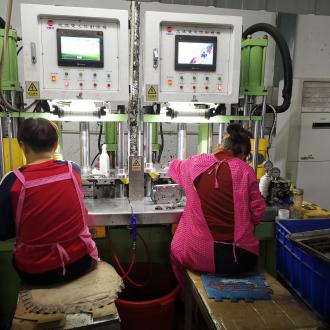
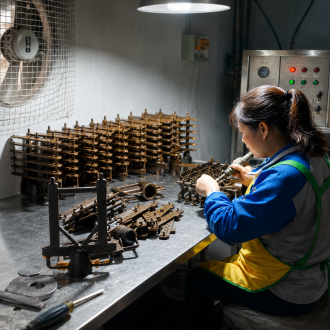
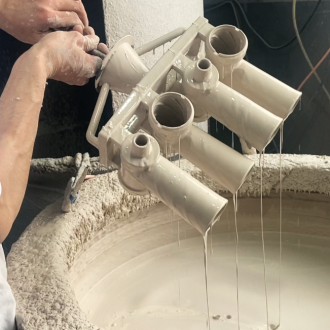
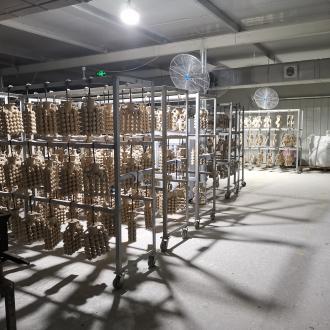
Dewaxing is an important step in the silica sol lost wax casting process. After shell making, the wax inside the ceramic shell must be removed to form the cavity for metal pouring.
This step connects shell making with metal pouring. If dewaxing is not controlled properly, the ceramic shell may crack, deform or lose strength before pouring.
In investment casting, wax patterns are covered by ceramic shell during the shell making process. After the shell reaches enough strength, the wax must be removed from inside the shell.
This process is called dewaxing. After dewaxing, the ceramic shell keeps the shape of the original wax pattern and becomes the mold cavity for molten metal.
Dewaxing affects shell strength and casting stability. If the wax is not removed smoothly, pressure inside the shell may increase and cause shell cracking or damage.
A stable dewaxing process helps prepare a clean and strong ceramic shell for the next step. This is important for reducing defects and improving casting quality.
During dewaxing, temperature, pressure and handling should be controlled according to the shell condition and part structure. The shell must remain stable during wax removal.
After dewaxing, the shell is usually fired at high temperature before metal pouring. This helps improve shell strength and remove remaining moisture or wax residue.
Dewaxing is a necessary step before metal pouring in investment casting. It removes the wax pattern and prepares the ceramic shell for casting.
Senjia Casting provides silica sol lost wax casting services for stainless steel, carbon steel and alloy steel parts. If you need custom investment casting parts, please send us your drawings, material grade, quantity and surface treatment requirements.
Contact: Terry Zhang
Phone: +86-13515399527 (Whatsapp/wechat)
E-mail: zhang@senjiagroup.com
Add: No 106 Jinqueshan Road, Linyi, China