What is Lost Wax Casting? Process, Benefits & Applications [2026 Guide]
Lost wax casting, industrially known as investment casting, is one of the oldest known metal-forming techniques, dating back thousands of years. Today, it has evolved into a highly advanced
If you are new to sourcing metal parts, here is a clear, step-by-step guide to how the lost wax casting process works and where it is applied.
The Step-by-Step Lost Wax Casting Process
Step 1: Creating the Wax
Step 2: Tree AssemblyMultiple wax
Step 3: Shell Building (Investment)The wax tree is dipped into a liquid ceramic slurry (often silica sol) and then coated with fine sand (stucco). This dipping and sanding process is repeated multiple times and dried in a climate-controlled room until a thick, strong ceramic shell is formed around the wax.
Step 4: Dewaxing (Losing the Wax)The ceramic shell is placed into a high-pressure steam autoclave. The heat melts the wax, which flows out (is "lost"), leaving a perfectly hollow cavity inside the ceramic shell.
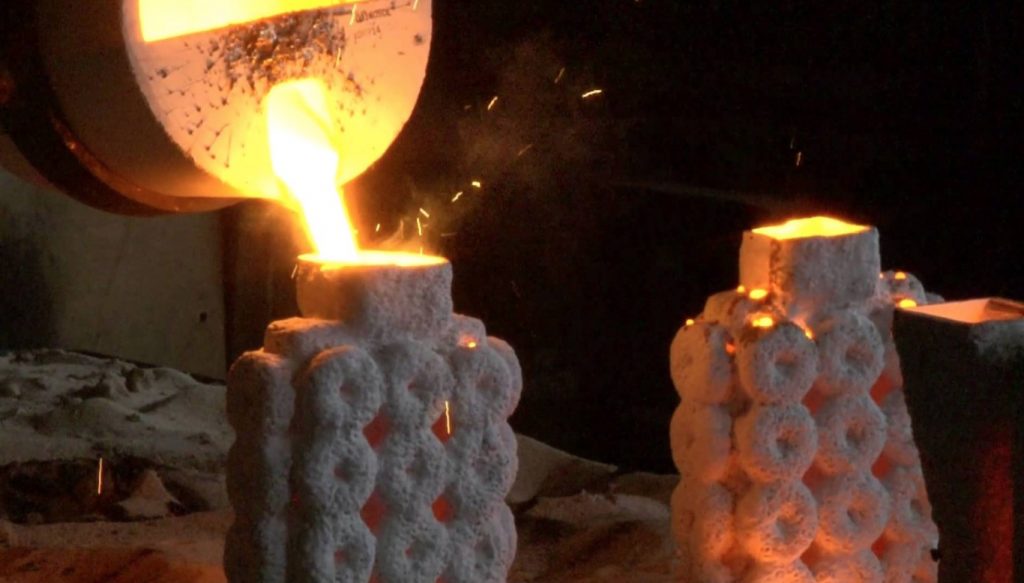
Step 5: Pouring the Molten MetalThe hollow ceramic shell is pre-heated to around 1000°C to prevent thermal shock. Then, molten metal (such as stainless steel, carbon steel, or alloy steel) is poured into the shell, completely filling the cavity left by the wax.
Step 6: Knockout and FinishingOnce the metal solidifies and cools, the ceramic shell is vibrated or blasted away. The individual metal parts are cut from the central sprue. Finally, the parts undergo grinding, heat treatment, surface polishing, and CNC machining as required.
Key Industrial ApplicationsBecause of its ability to produce complex shapes with excellent surface finishes and tight tolerances, lost wax casting is heavily used in:
Valve and Pump Components: Impellers, housings, and flanges that require leak-free performance.
Marine & Architectural Hardware: Glass clamps, boat cleats, and hinges cast in corrosion-
Industrial Machinery: High-strength gears, brackets, and levers.
Ready to start your casting project?With over a decade of expertise in silica sol lost wax casting, Senjia Group delivers OEMs the precision they need. Contact us today to request a quote or discuss your technical drawings.
Contact: Terry Zhang
Phone: +86-13515399527 (Whatsapp/wechat)
E-mail: zhang@senjiagroup.com
Add: No 106 Jinqueshan Road, Linyi, China